I’ve worked in early years education long enough to know that the right environment shows itself quickly, often in ways that aren’t obvious on a first glance. When parents ask me how I assess a nursery in Hertford, I always answer from experience rather than theory. Years spent supporting toddlers through their first drop-offs, managing rooms during staff shortages, and mentoring new practitioners have shaped how I look at these settings.
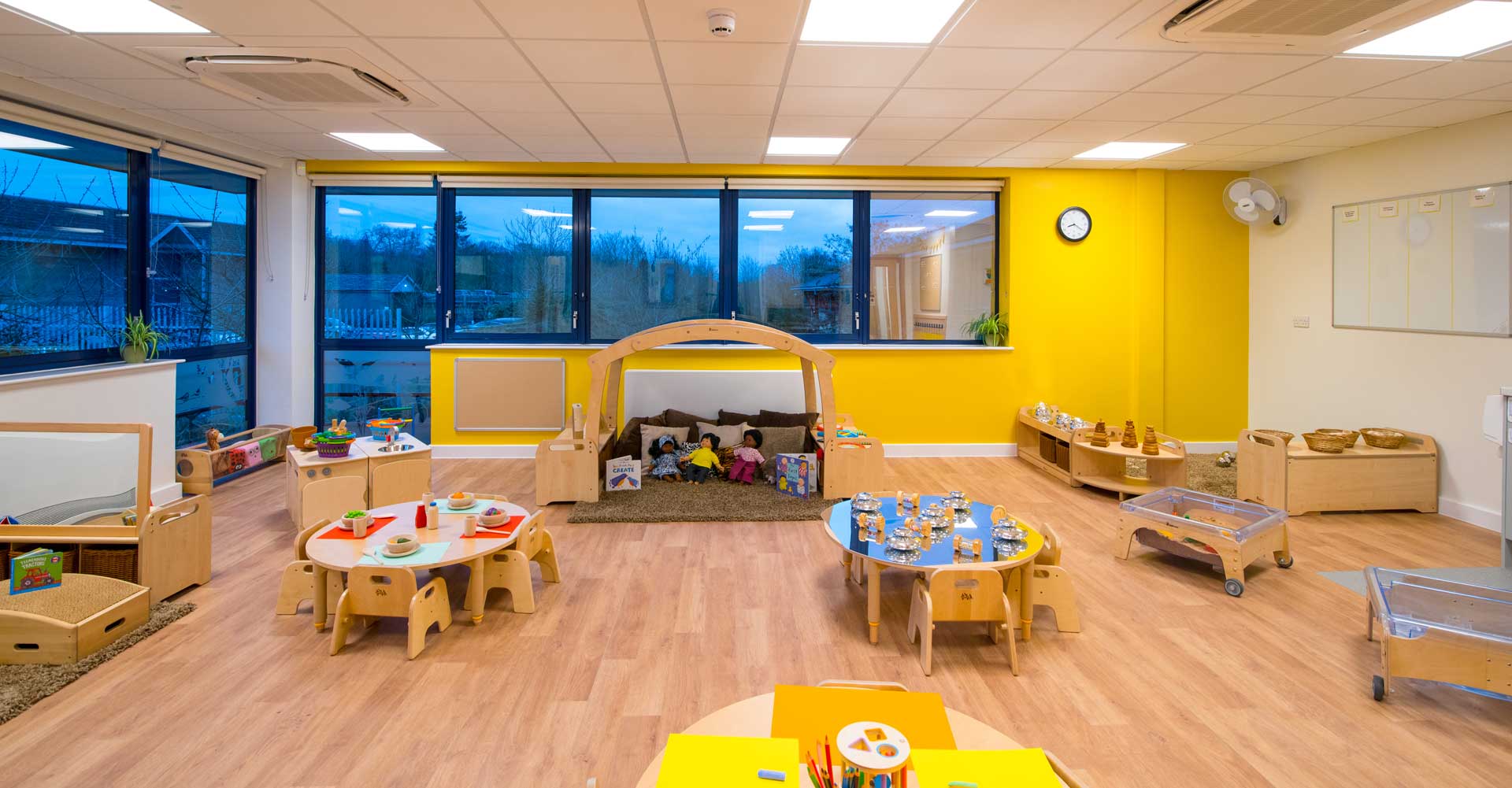
One of the first things I notice is how mornings begin. Early in my career, I worked in a nursery where the start of the day felt hurried. Children were ushered in, bags were hung up, and staff were already focused on the clock. The result was predictable: unsettled children and tearful goodbyes that dragged on. Later, in a different setting, mornings were slower and more intentional. Staff greeted children by name, noticed who needed extra reassurance, and adjusted expectations when someone was clearly having a hard day. In my experience, that calm start often set the tone for everything that followed.
I’ve also learned to watch how nurseries handle the moments that aren’t planned. A few years ago, I observed a room where a child became overwhelmed during a group activity. Instead of insisting they stay, the practitioner quietly offered an alternative space and checked back in later. That kind of responsiveness doesn’t come from a policy manual; it comes from confidence, training, and an understanding of child development. As someone who’s completed relevant early years qualifications and supported staff through professional development, I see this as a strong indicator of quality care.
A common mistake I see parents make is being swayed by packed schedules or themed weeks. I’ve found that children don’t benefit from constant stimulation nearly as much as they benefit from consistent relationships. In one nursery I supported, staff turnover was high, and children struggled to form secure attachments. In another, where practitioners had been there for years, children showed more independence and resilience. Stability matters, even if it isn’t advertised loudly.
Another detail I pay attention to is how staff talk about children when they’re not performing. During one visit, I overheard a practitioner discussing a child’s challenging behaviour with empathy rather than frustration. That told me a lot about the culture of the setting. Nurseries that encourage reflective practice tend to support children more effectively, especially during difficult phases.
After years of hands-on work, my perspective is clear. A good nursery isn’t defined by how impressive it looks on paper. It’s defined by how children are treated during ordinary moments, how staff adapt when things don’t go to plan, and whether the environment feels steady rather than strained. Those are the qualities I trust, because I’ve seen how much difference they make in a child’s early years.